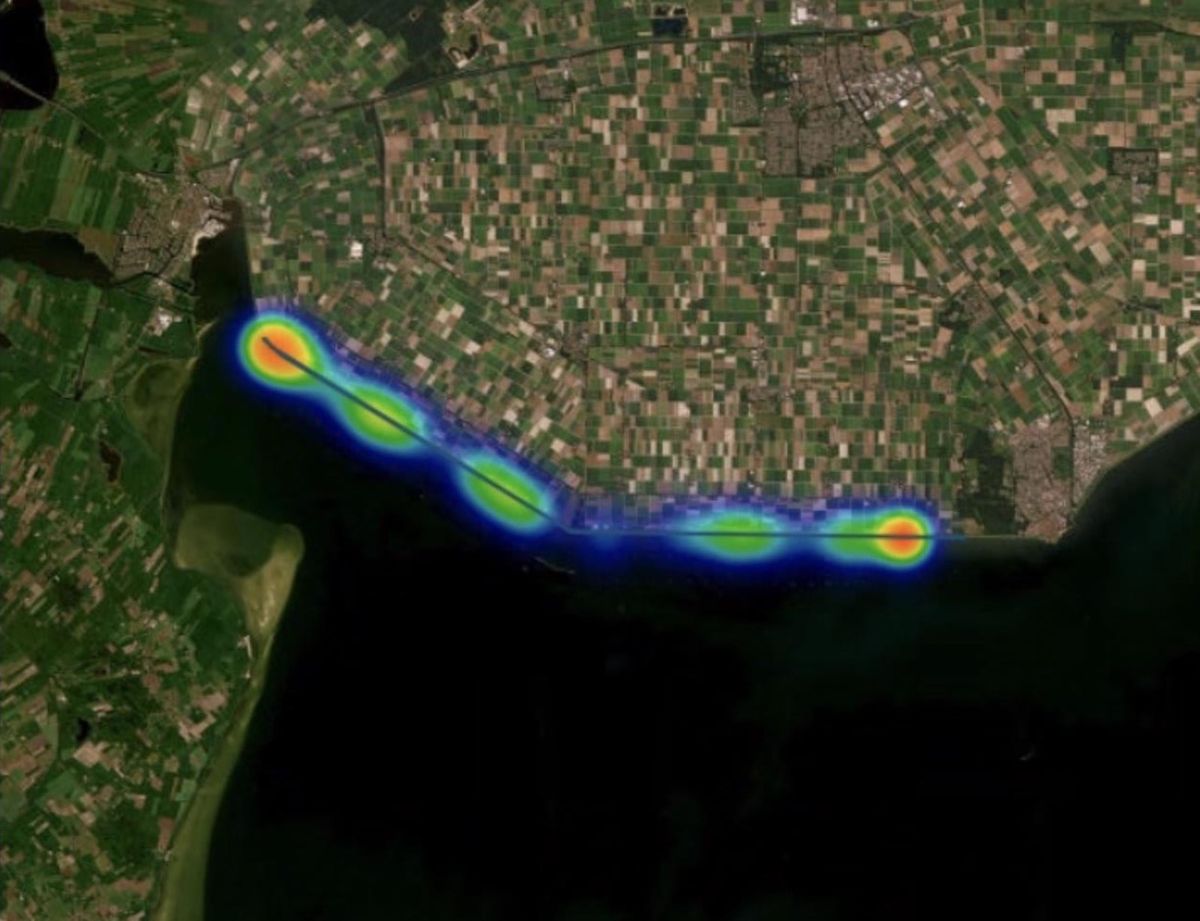
Organic cotton field detection
CoCuRA
Detects cotton fields and predicts whether they are cultivated to organic standards.
The challenge
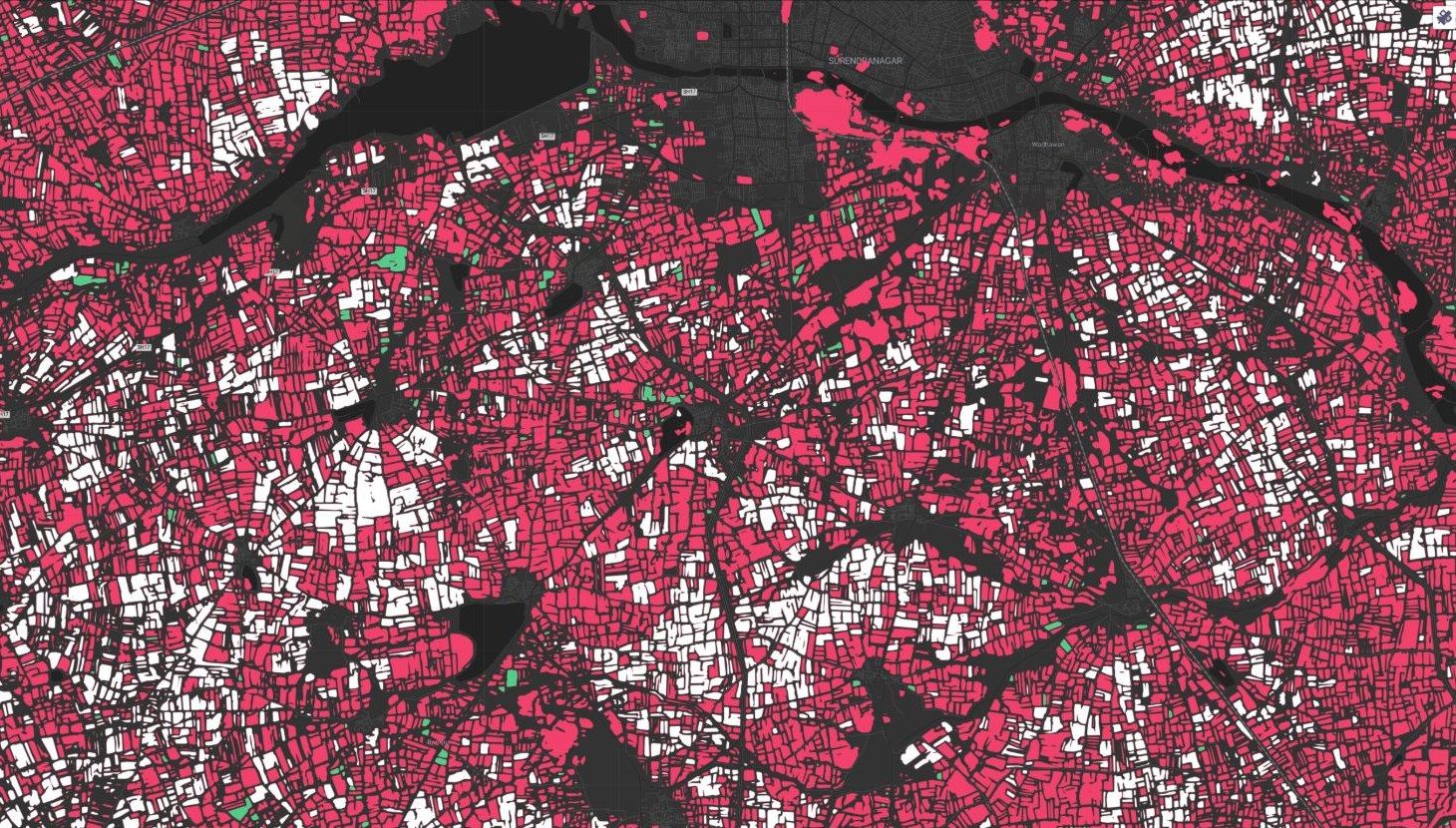
Certifying organic cotton means knowing where it is grown and whether a field is really farmed to organic standards. On the ground, that is often invisible: an organic field looks like any other, and certifiers frequently have to inspect outside the cotton season. Field visits are expensive, slow and only ever cover a sample.
Our approach
CoCuRA (Cotton Cultivation Remote Assessment) detects cotton fields and predicts whether a field is cultivated to organic standards. It sees what cannot be seen on the ground, at any time of year. To train CoCuRA, we visited and collected data from more than 20,000 fields.

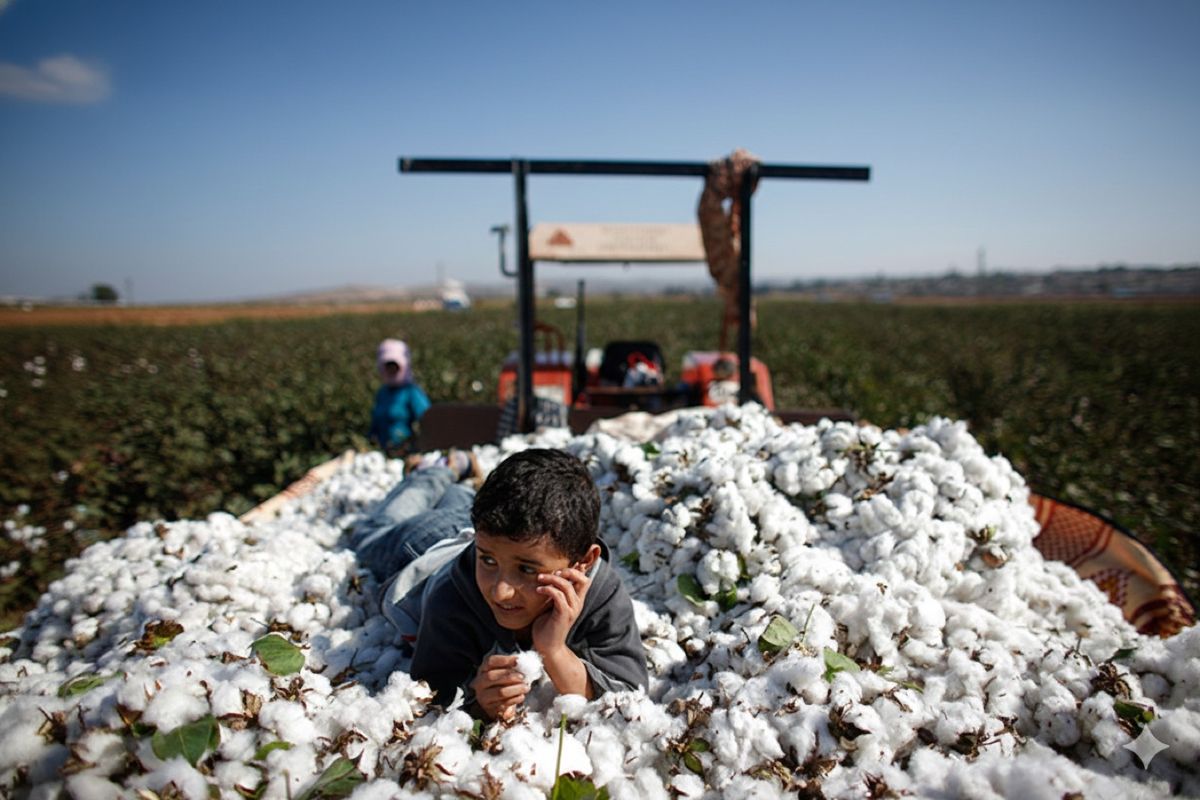
From pixels to organic cotton.
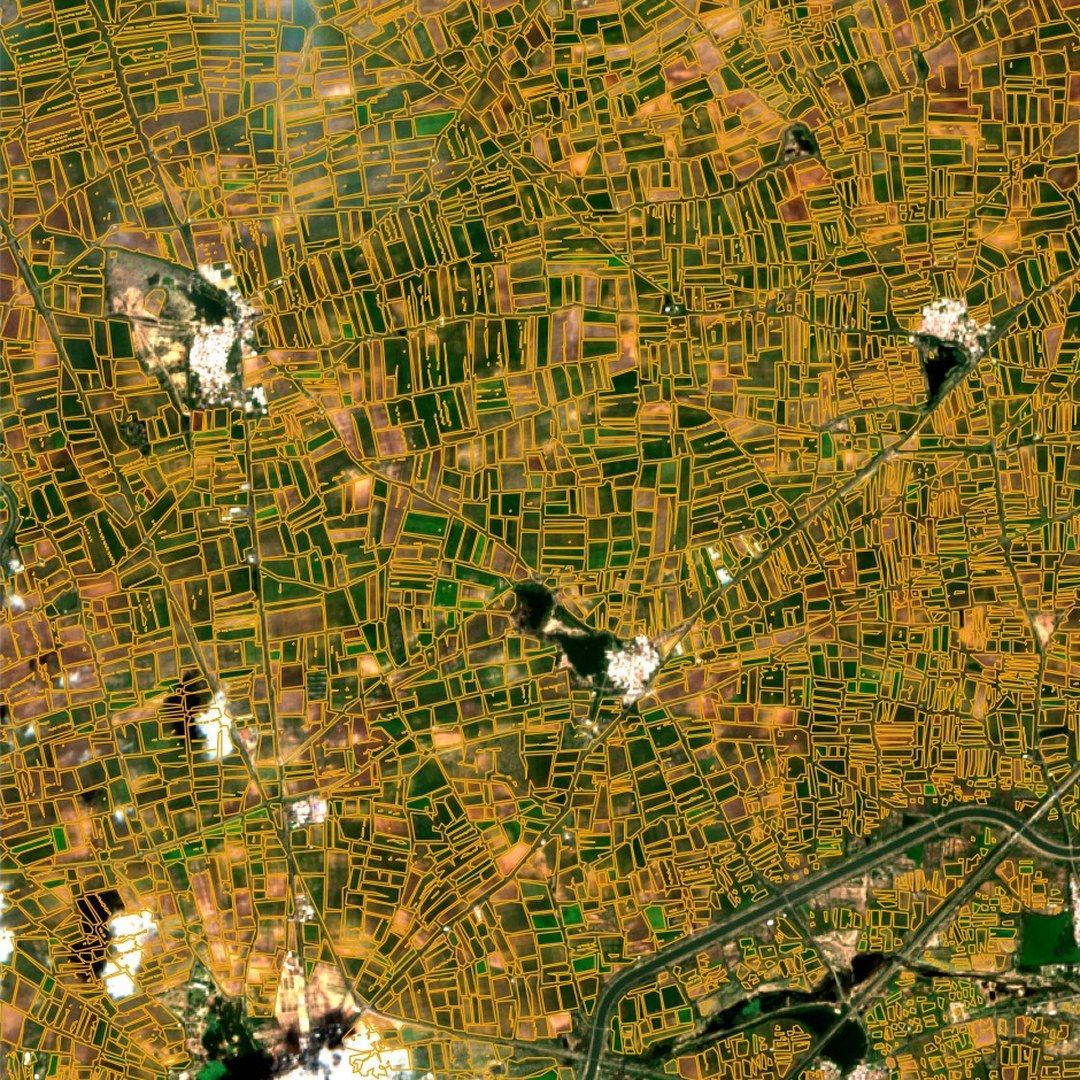
Click through to see how CoCuRA reads a landscape in Gujarat.
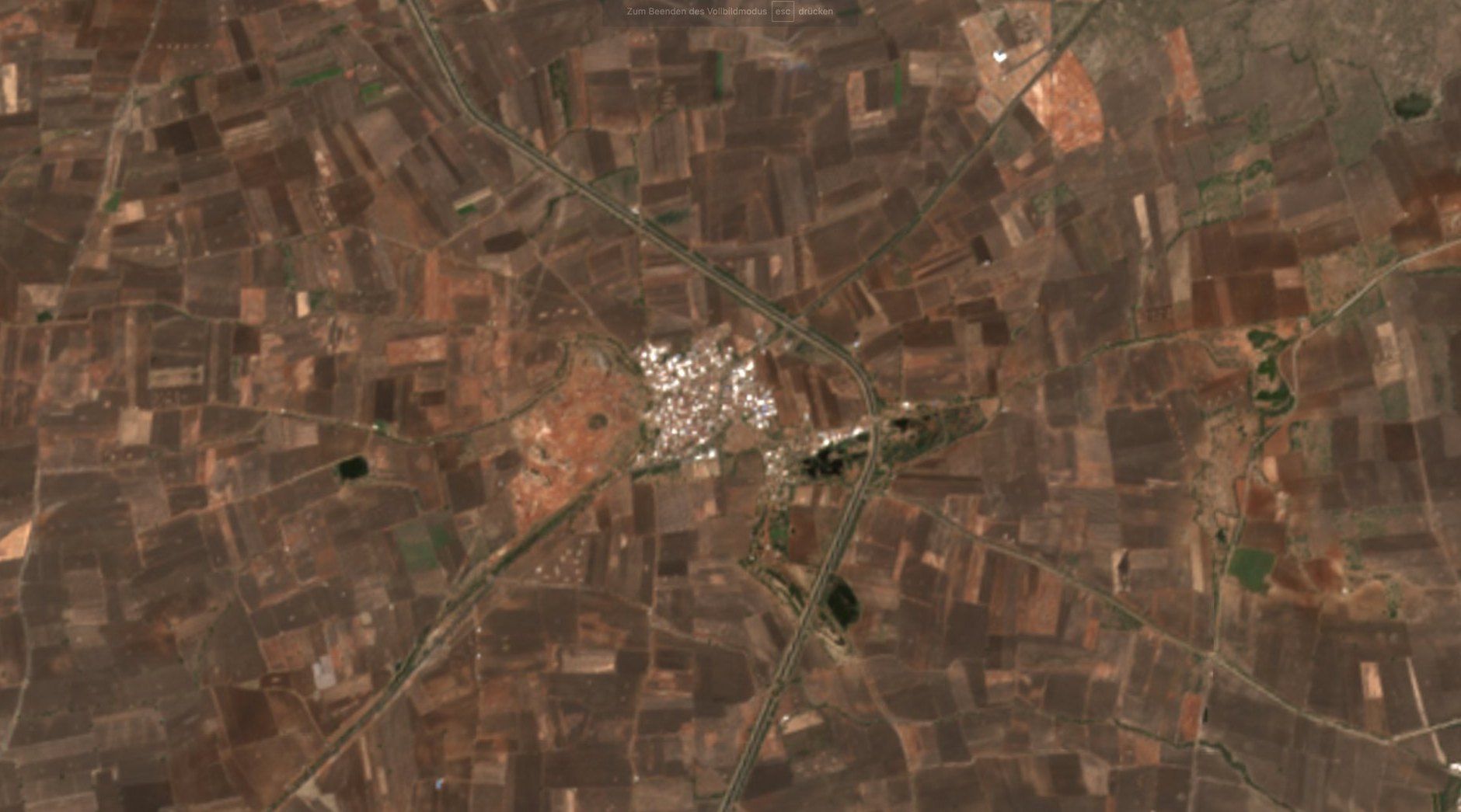
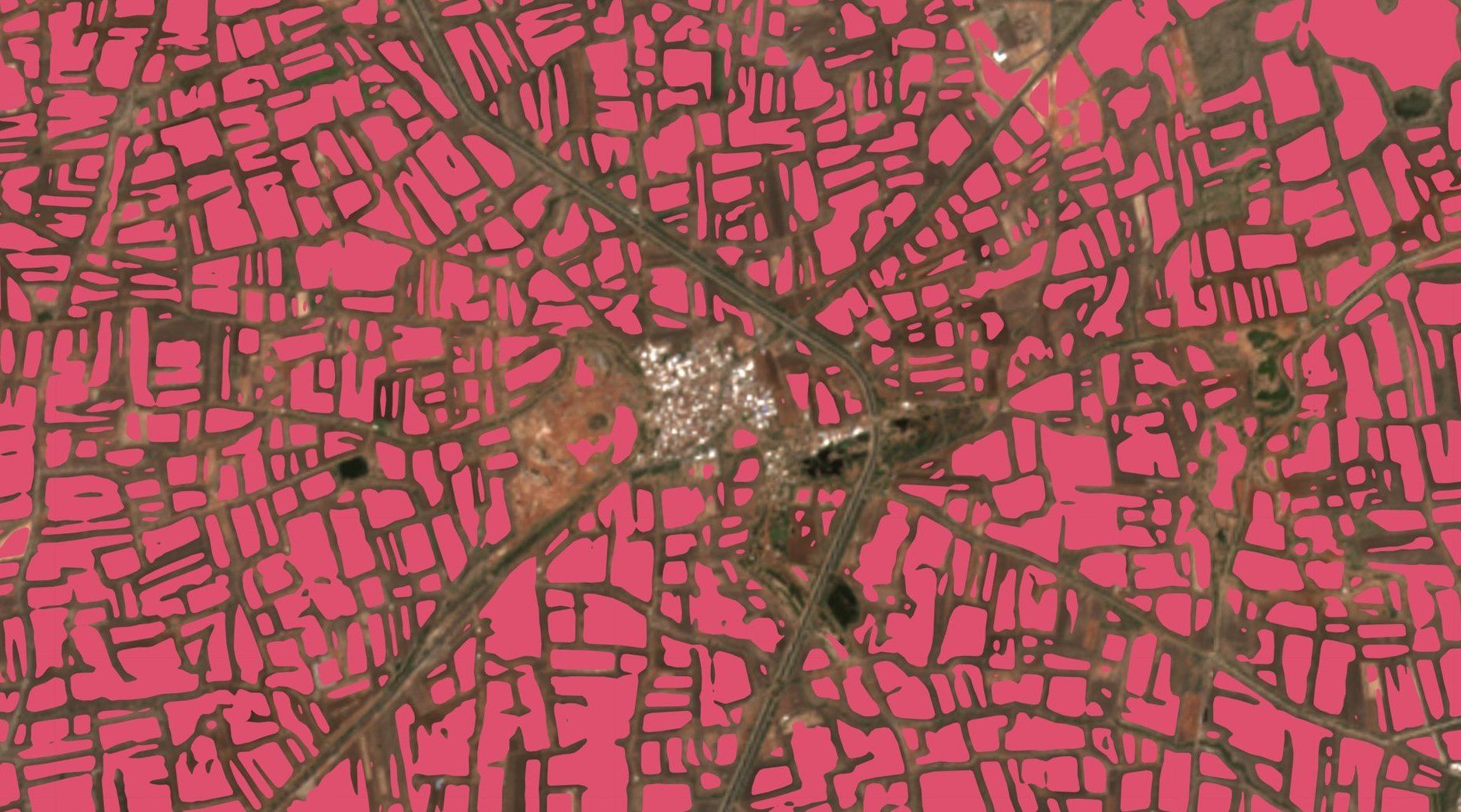
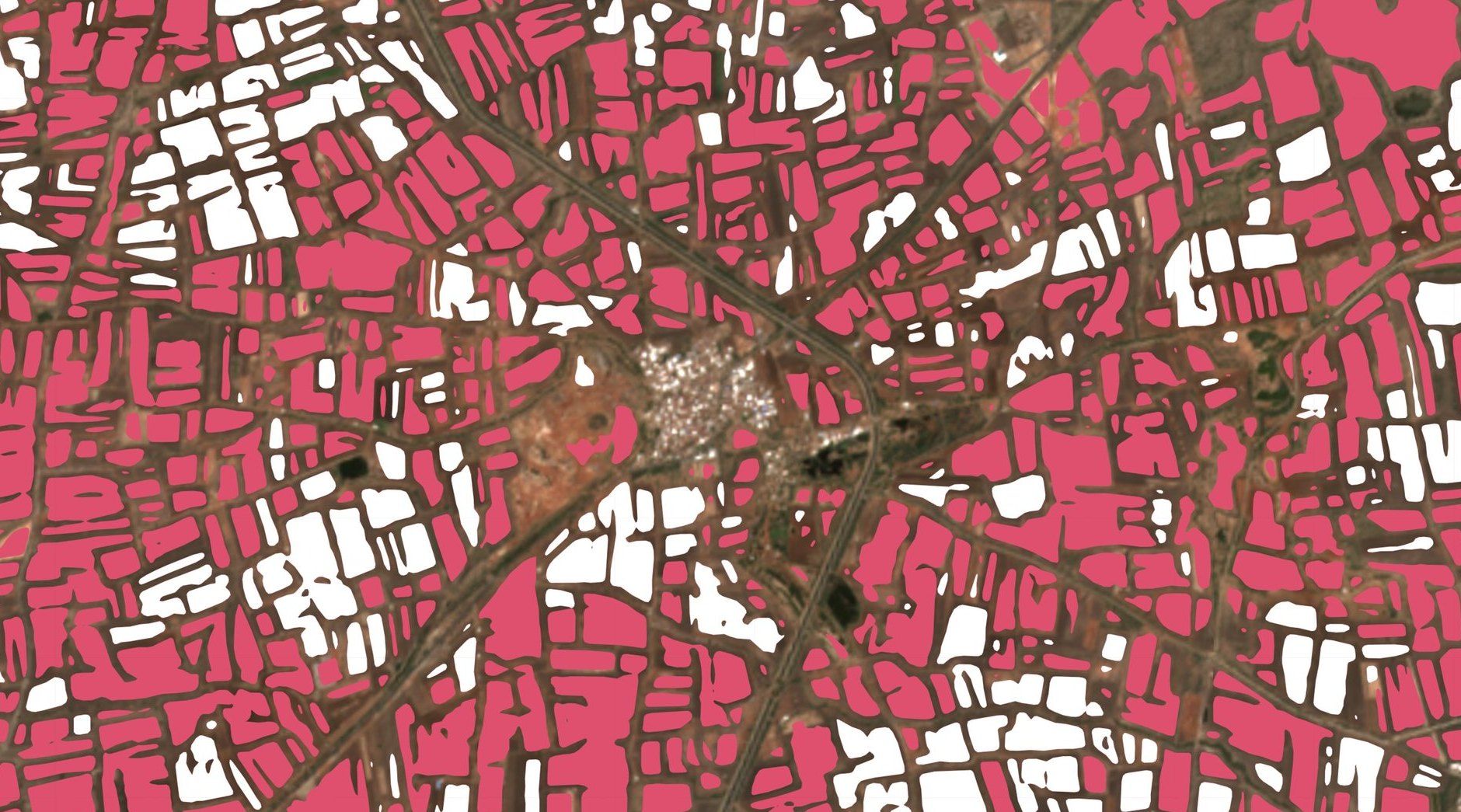
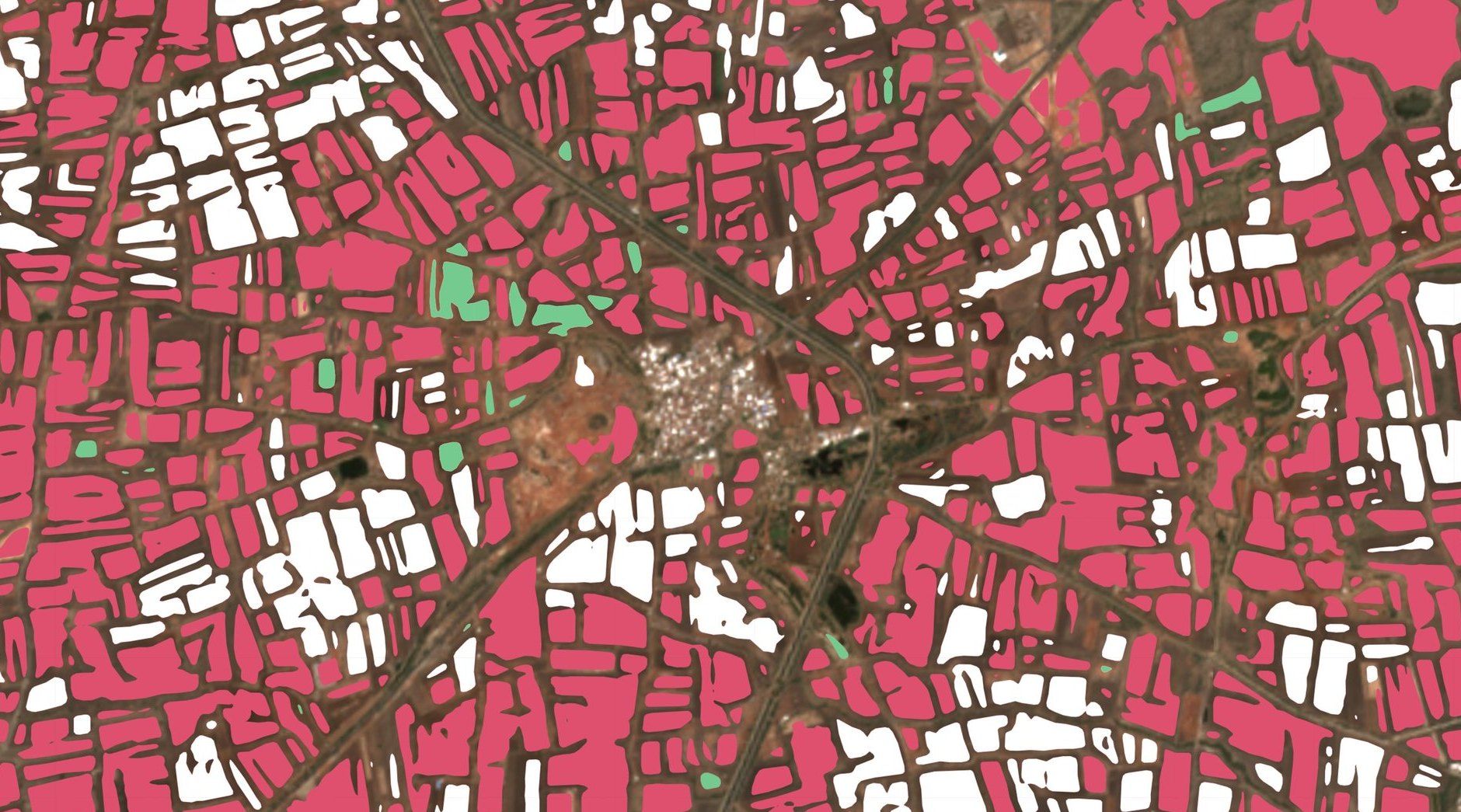
Step 1: Sentinel-2 true-colour image of farmland around Surendranagar, Gujarat.
The future of organic cotton certification.
Global Standards on why CoCuRA is a game changer.
Video: Global Standards gGmbH, #BehindTheSeams
What changes with CoCuRA.
Seeing cotton and organic cultivation from space changes who can be certified, how fraud is caught, what certification costs and how well the sector knows itself.
Stops certification fraud
Organic cotton volumes actually grown in a region can be compared with the volumes exported from it. Where the numbers don’t add up, fraud becomes visible.
Protects organic farmers
Farmers who follow the strict organic standards are protected against fraud and against the loss of trust in organic cotton as a whole.
Opens up certification
CoCuRA also finds fields that already meet organic standards but are not yet certified. Those farmers gain access to organic labels and better prices without changing how they farm.
Cuts certification costs
The annual re-certification of organic fields can be done remotely, which lowers the cost of certification overall.
Delivers cotton statistics
Governments and standards bodies see how cotton and organic cotton cultivation develop, region by region and year by year. In Turkey, CoCuRA’s figures match USDA estimates within 3–4 %.
Where CoCuRA works its magic.
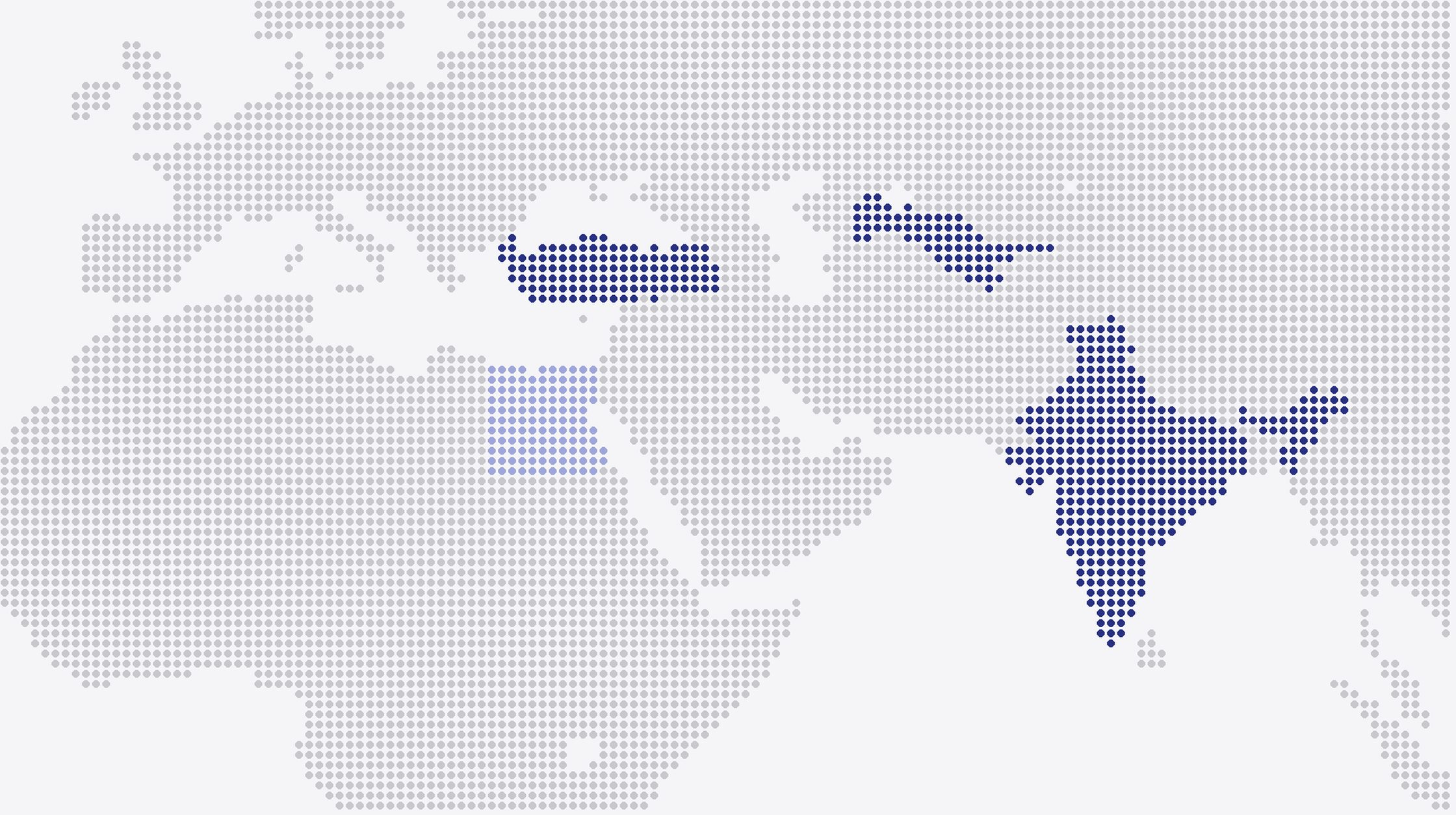
CoCuRA is already operational in three of the world’s biggest cotton-producing countries: Uzbekistan, India and Turkey. More countries will follow, with Egypt next.
CoCuRA in numbers.
Where CoCuRA helps
- Organic certification and audit support
- Supply-chain transparency for textiles
- Fighting certification fraud at scale
- Cotton statistics and forecasts for governments and standards bodies
Who CoCuRA is for
- Textile certification bodies
- Brands and retailers with organic cotton claims
- Sustainability and supply-chain platforms
- Governments and agricultural statistics offices
Developed with Global Standards (GOTS) and ESA since 2021.

Interested in CoCuRA?
Tell us which supply chain you want to trace, and we’ll show you what the data says.
Daniel Lanz